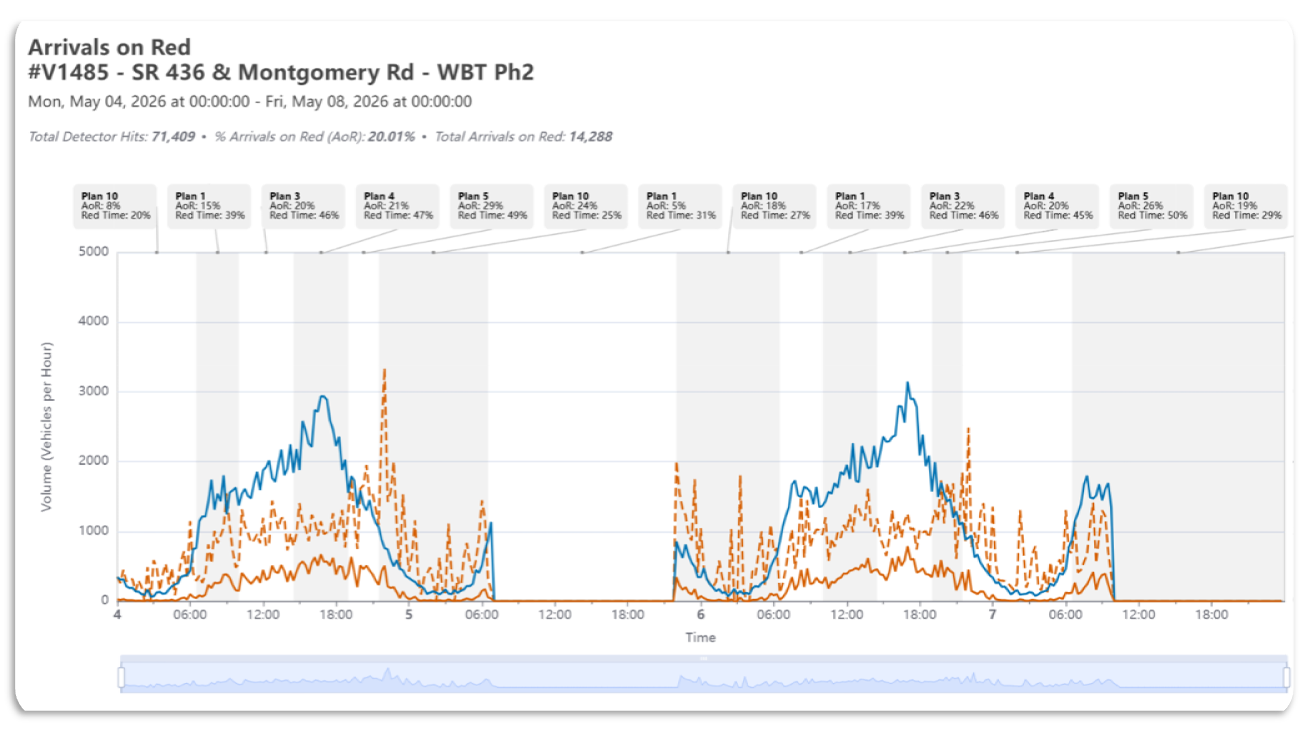
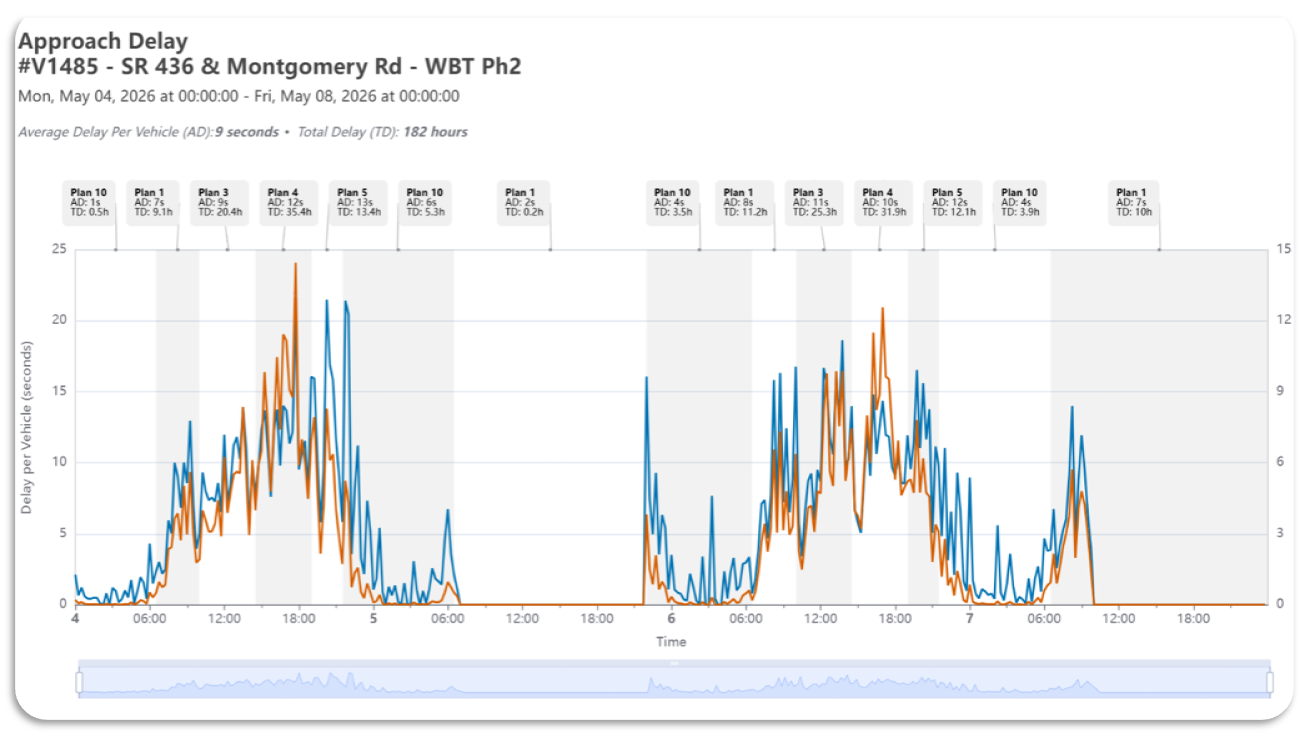
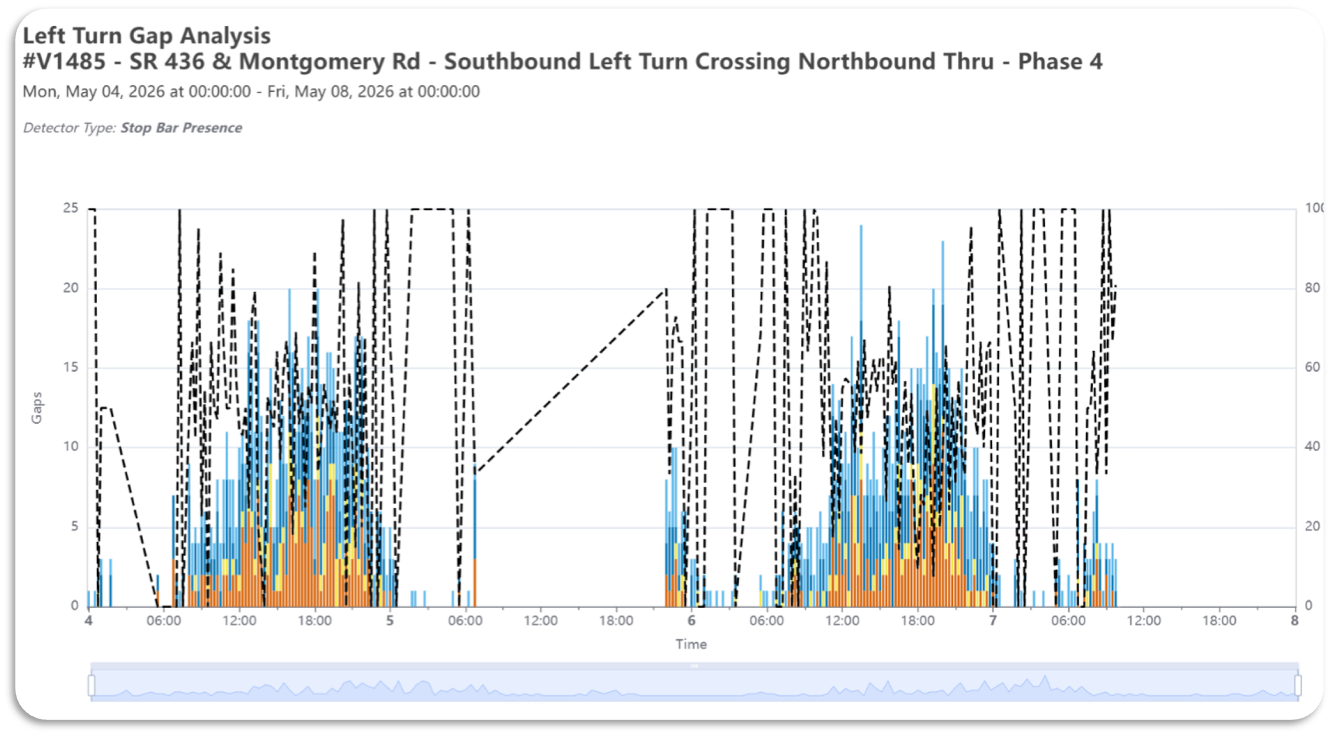
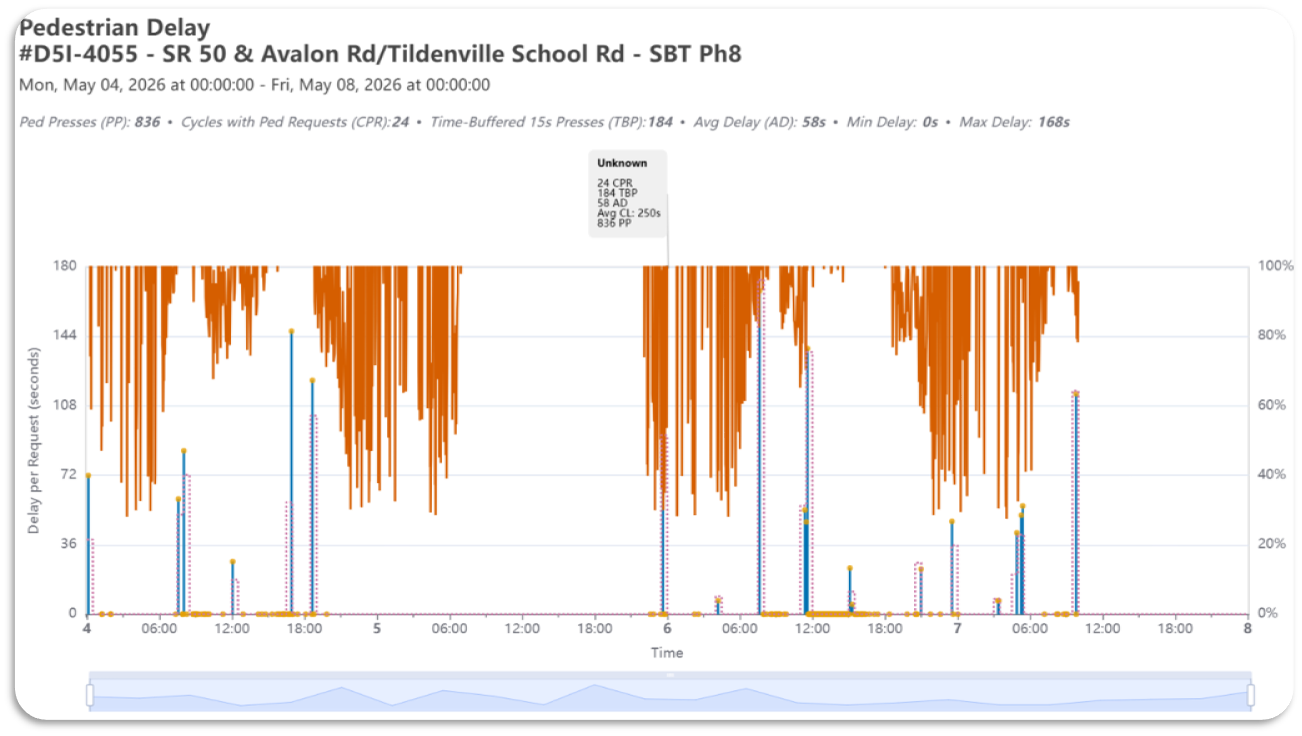
Traffic signals are one of the most visible parts of the transportation system, and when they are not working well, agencies often hear about it through public complaints. Automated Traffic Signal Performance Measures, or ATSPM, help agencies get ahead of those issues by using high-resolution traffic controller data to monitor signal performance and identify problems earlier.
While agencies across the country have used ATSPM for more than a decade, deploying a local system can be challenging. Agencies often need to size and maintain servers, install software, and manage the growing storage demands of high-resolution signal data.
RITIS now helps reduce that burden by offering a cloud-hosted ATSPM solution at NO COST for full/enterprise RITIS customers. The platform includes the latest version of the UDOT ATSPM software, Version 5, and allows agencies to connect centralized signal data directly to a cloud-based environment. Agencies and their consultants can then access and maintain signal information without having to manage the underlying infrastructure.
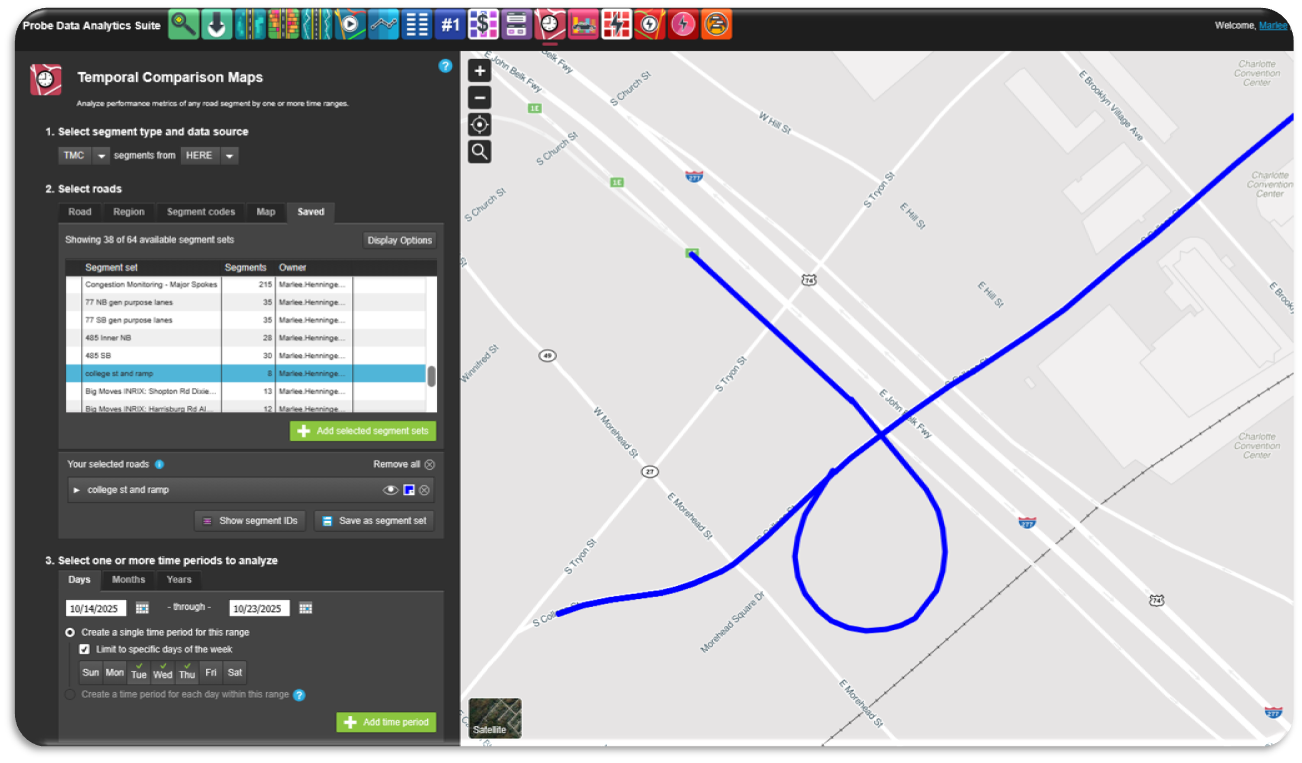
This new capability strengthens the RITIS ecosystem by connecting signal operations with broader traffic analytics. When combined with Probe Data Analytics, ATSPM can help agencies better understand how signal performance affects corridor travel times, congestion, bottlenecks, delay, and user costs.
The ultimate goal is to integrate ATSPM with probe data at scale, giving agencies a more complete picture of performance along signalized corridors. With cloud-hosted ATSPM in RITIS, agencies can spend less time managing software and servers and more time improving traffic signal operations. To learn more about how to host your ATSPM data in RITIS, contact Charles Lattimer at lattimer@umd.edu.